
An inferior vena cava (IVC) filter is a small device that can stop blood clots from going up into the lungs. The inferior vena cava is a large vein in the middle of your body. The device is put in local anesthesia.
Veins are the blood vessels that bring oxygen-poor blood and waste products back to the heart. A deep vein thrombosis (DVT) is a blood clot that forms in a vein deep inside the body. A clot occurs when blood thickens and clumps together. In most cases, this clot forms inside one of the deep veins of the thigh or lower leg.
The veins in your legs have tiny valves that help keep blood moving back up toward the heart. But a DVT may damage one or more of these valves. This causes them to weaken or become leaky. When this happens, blood starts to pool in your legs. This can also happen if you are immobile for a long period of time. Normally, muscles in the leg help blood move up in the veins when the muscles contract. When blood flows very slowly through the veins, this increases the risk that cells in the blood will stick together and form a clot.
DVT is a serious medical condition that can cause swelling, pain, and tenderness in your leg. In some cases, a deep clot in a leg vein can break free and stick in a vessel in the lung. This can cause a blockage in the vessel called a pulmonary embolism. Pulmonary embolism can cause severe shortness of breath and even sudden death.
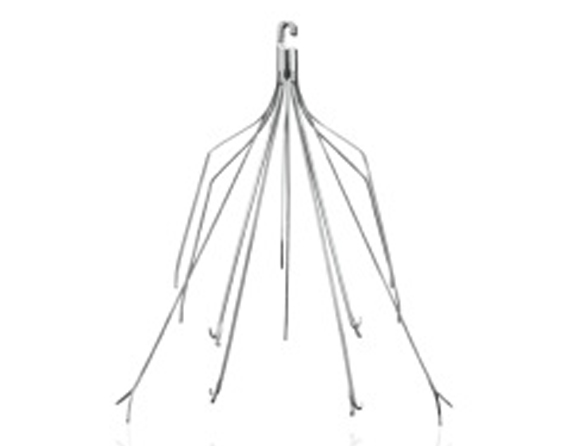
An IVC filter is one method to help prevent pulmonary embolism. Your inferior vena cava (IVC) is the major vein that brings oxygen-poor blood from the lower body back to the heart. The heart then pumps the blood to the lungs to pick up oxygen. An IVC filter is a small, wiry device. When the filter is placed in your IVC, the blood flows past the filter. The filter catches blood clots and stops them from moving up to the heart and lungs. This helps to prevent a pulmonary embolism.
The IVC filter is placed through a small incision in a vein in your groin or neck. A thin, flexible tube (catheter) is inserted into this vein. The catheter is then gently moved into your IVC. A collapsed IVC filter is sent with the catheter. The filter is left in place, and the catheter is removed. The filter then expands and attaches itself to the walls of the IVC. It may be removed after a period of time.
The filter helps to protect you from a life-threatening pulmonary embolism if you have a DVT.
Powered by Dr. Ravi Manek | Designed and Developed by MS Expert